
Lumbini, the birthplace of Lord Buddha, is a sanctuary of peace and history. Located in the green Terai plains, it draws travelers seeking spiritual reflection, cultural insights, and serene surroundings. Walking through Lumbini feels like stepping into a world where history, devotion, and nature harmonize beautifully. From ancient ruins to colorful monasteries, every corner tells a story, inviting visitors to pause and reflect.
Here’s a guide to the best places to visit in Lumbini, Nepal, including practical tips, entry costs, time estimates, and stories that make each spot unforgettable.
Maya Devi Temple
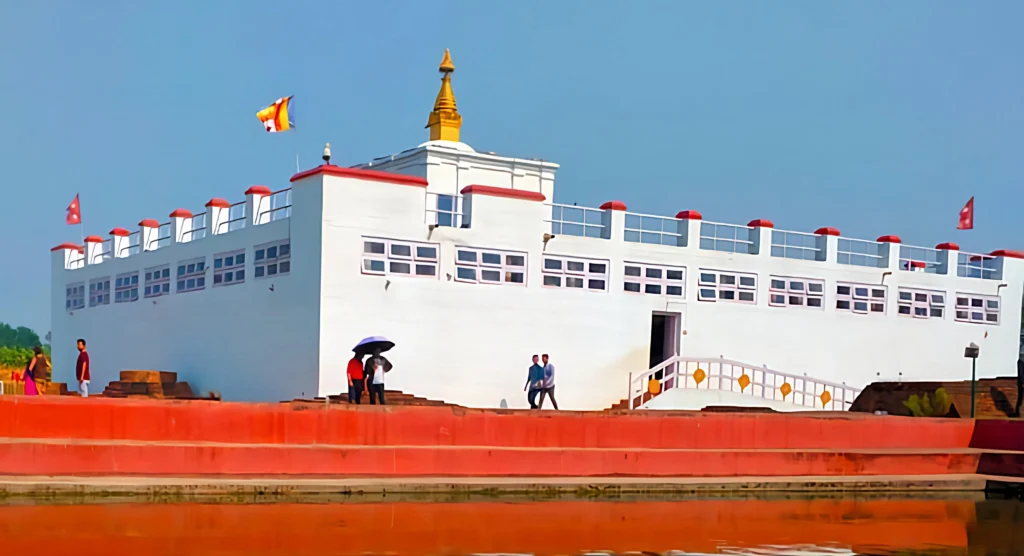
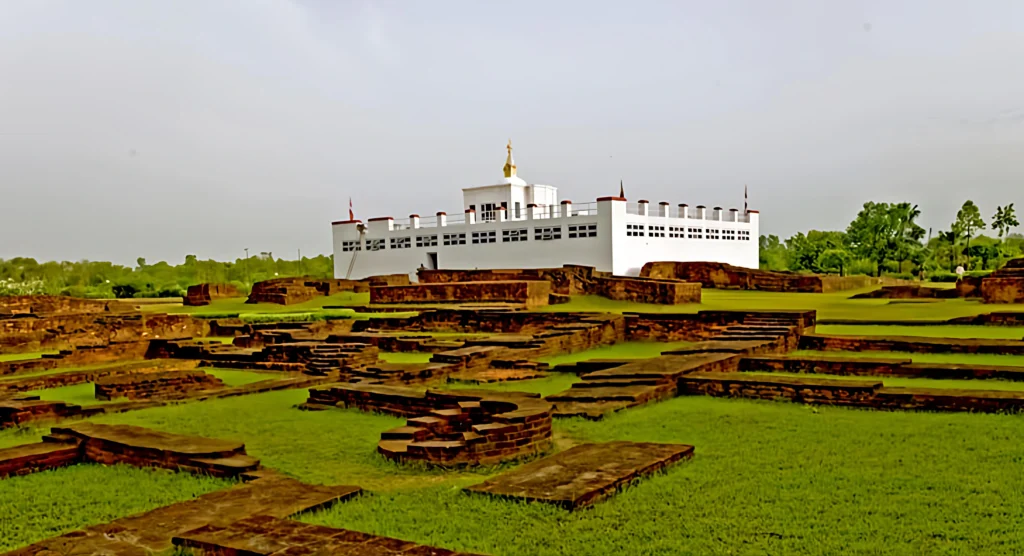
The Maya Devi Temple is the heart of Lumbini, marking the exact birthplace of Siddhartha Gautama. The temple blends modern structures with ancient ruins, including the stone marker from 3rd century BCE. The main shrine is modest, with a sacred pond nearby. The surrounding monastery gardens create a tranquil environment perfect for meditation.
- Architectural Highlight: The current temple has a simple, square structure with a serene shrine, while the archaeological remains showcase ancient brickwork and stone carvings.
- Story: Locals say that early in the morning, the soft sunlight reflecting on the pond resembles the moment of Buddha’s birth—a magical scene for visitors.
- Tickets/Costs: NPR 200–300 for foreigners, free for Nepalis.
- Rule: Modest attire; photography restricted inside the main shrine.
- Tip: Early morning visits ensure calm and beautiful light for photos.
- Approx. Time Needed: 1–2 hours
Also Read , Best Places To Visit in Pokhara
Ashokan Pillar
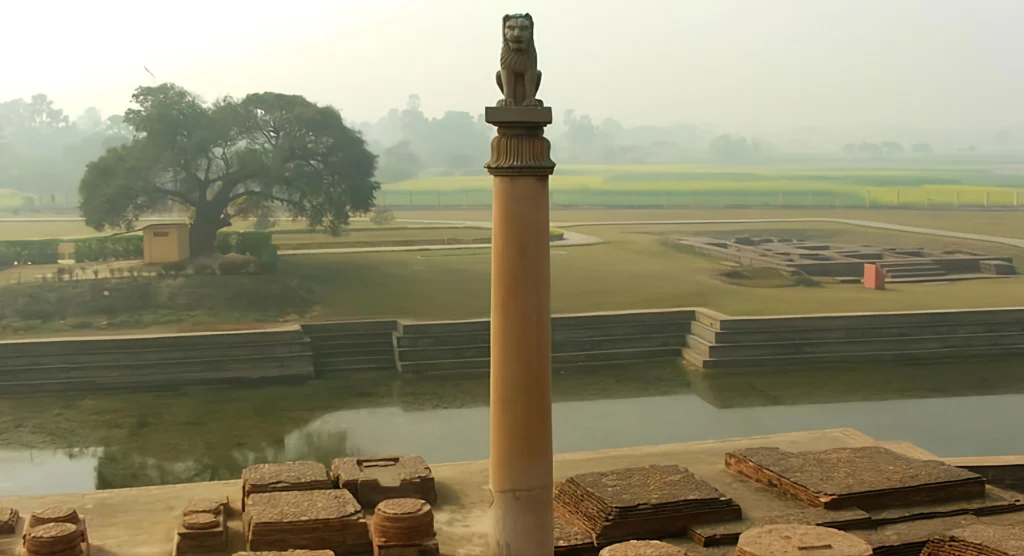
Standing close to Maya Devi Temple, the Ashokan Pillar is a 7-meter sandstone column erected by Emperor Ashoka in 249 BCE to honor Buddha’s birthplace. Its simple yet elegant design with inscriptions in Brahmi script marks one of the earliest historic references to Buddha.
- Architectural Highlight: Smooth stone with carved inscriptions narrating Emperor Ashoka’s visit and reverence for Buddhism.
- Story: Pilgrims believe touching the base brings blessings, making it a quiet but meaningful ritual.
- Tickets/Costs: Included in Maya Devi Temple entry.
- Tip: Combine your temple and pillar visit for a deeper historical perspective.
- Approx. Time Needed: 20–30 minutes
Lumbini Monastic Zone
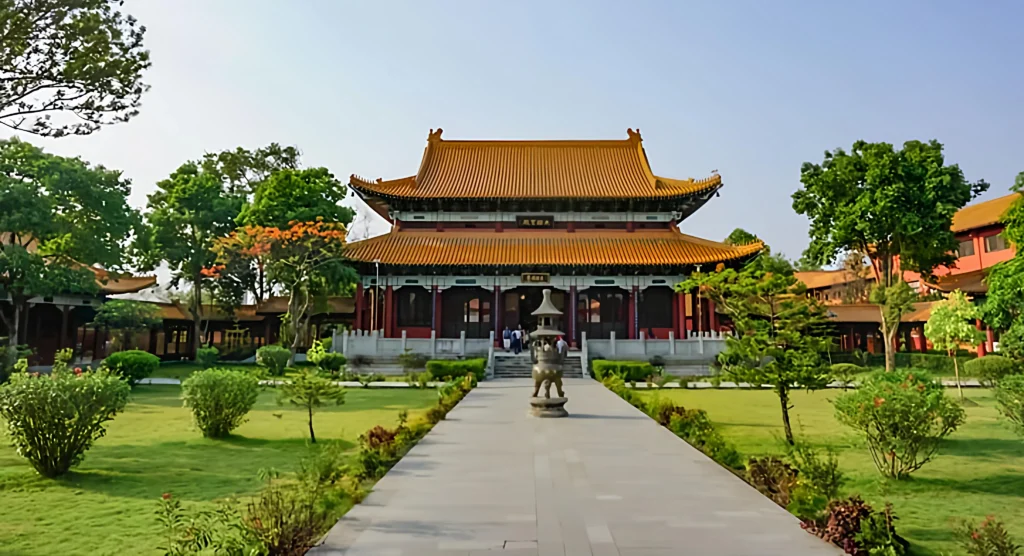
The Monastic Zone is home to monasteries from countries like Japan, Thailand, China, Germany, and Sri Lanka. Each monastery is unique, reflecting its nation’s architectural and cultural style. Walking through it feels like traveling the world while staying in one serene city.
- Architectural Highlight: Thai monasteries are decorated with gold roofs and intricate carvings; Japanese monasteries use minimalist wood designs; German monasteries blend modern architecture with local craftsmanship.
- Story: Visitors often spot monks from different countries walking barefoot through gardens or chanting in the early morning—a living mosaic of global Buddhist culture.
- Tickets/Costs: NPR 200 for foreigners.
- Rule: Respect silence; photography is allowed outside prayer halls only.
- Approx. Time Needed: 2–3 hours
Lumbini Garden
This peaceful garden stretches across hectares, with cobblestone pathways, flowering shrubs, and ponds reflecting the sky. Stone benches under shade trees invite visitors to pause and meditate.
- Architectural Highlight: Carefully landscaped paths align with spiritual structures, encouraging reflective walks.
- Story: Legend says that the soft breeze across the garden mirrors the serenity Buddha felt in his early years.
- Tickets/Costs: Included with Monastic Zone tickets.
- Tip: Morning or late afternoon walks are ideal to enjoy birds, ponds, and sculptures.
- Approx. Time Needed: 1–2 hours
World Peace Pagoda
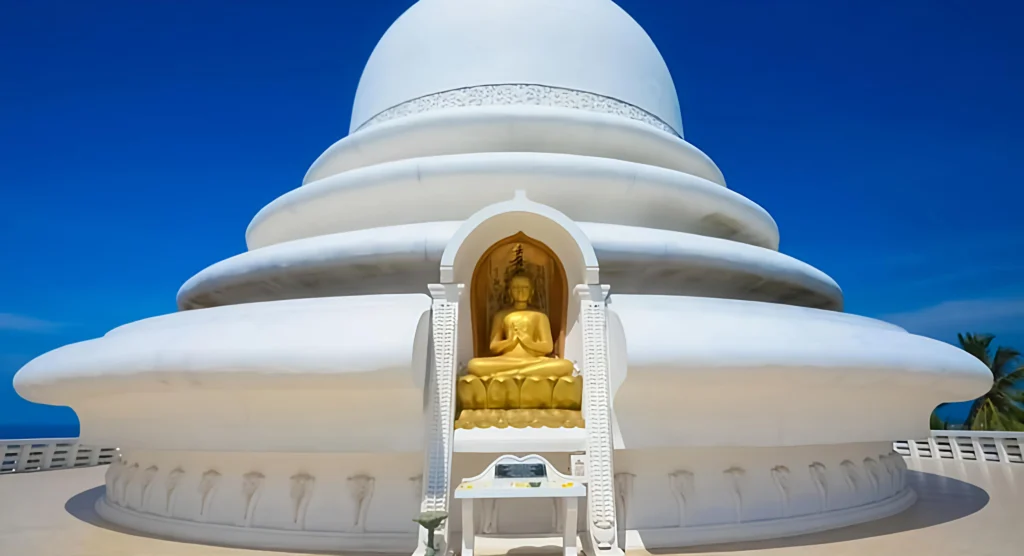
The World Peace Pagoda is a white stupa standing elegantly on the Lumbini plains. Its golden spire and four guardian statues at the corners make it visually striking.
- Architectural Highlight: Circular base, dome-shaped body, golden pinnacle, and prayer wheels that symbolize harmony and non-violence.
- Story: Locals say spinning the prayer wheels while walking around brings peace to the heart, making it a favorite for meditation.
- Tickets/Costs: Free entry.
- Tip: Sunset illuminates the golden spire beautifully—perfect for photography.
- Approx. Time Needed: 30–45 minutes
Puskarni Sacred Pond

Adjacent to Maya Devi Temple, Puskarni Pond is where Queen Maya Devi is believed to have bathed before Buddha’s birth. Lotus flowers float on the water surface, adding to the spiritual ambiance.
- Architectural Highlight: Simple stone embankments preserve the pond’s sacred nature.
- Story: Pilgrims leave floating lamps on the pond during special festivals, creating a golden glow at night.
- Tickets/Costs: Included with temple entry.
- Tip: Early morning or evening visits enhance the serene experience.
- Approx. Time Needed: 20–30 minutes
World Buddhist Museum
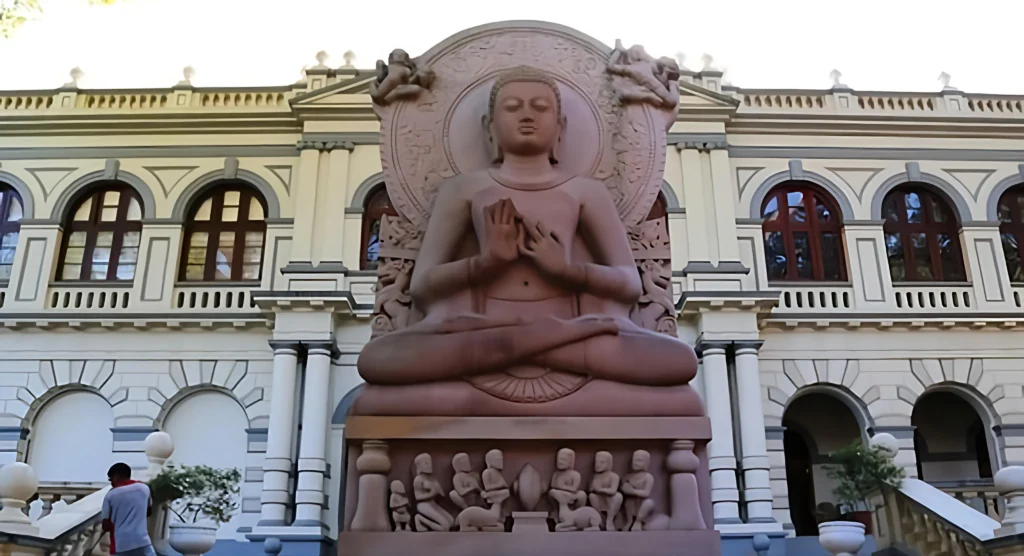
The World Buddhist Museum contains ancient scripts, statues, and multimedia displays explaining Buddhism and Lumbini’s heritage.
- Architectural Highlight: Modern glass and stone design with open spaces for reflection.
- Story: Exhibits show artifacts from countries across Asia, highlighting how Buddha’s teachings spread worldwide.
- Tickets/Costs: NPR 150–200 for foreigners.
- Tip: Guided tours enrich your understanding of each artifact.
- Approx. Time Needed: 1–1.5 hours
Lumbini International Airport Viewpoint

The viewpoint near the airport provides a panoramic view of the surrounding Terai plains. The sunrise paints the fields golden, offering a quiet escape from the main tourist areas.
- Architectural Highlight: Open-air platforms with minimalistic design, perfect for photography.
- Story: Local photographers often recommend sunrise shots here for a dramatic yet serene composition.
- Tickets/Costs: Free entry.
- Tip: Pair with a morning monastery walk for a reflective start to the day.
- Approx. Time Needed: 30–45 minutes.
Also Read, What is the Best Time to Visit Nepal
Kudan Stupa
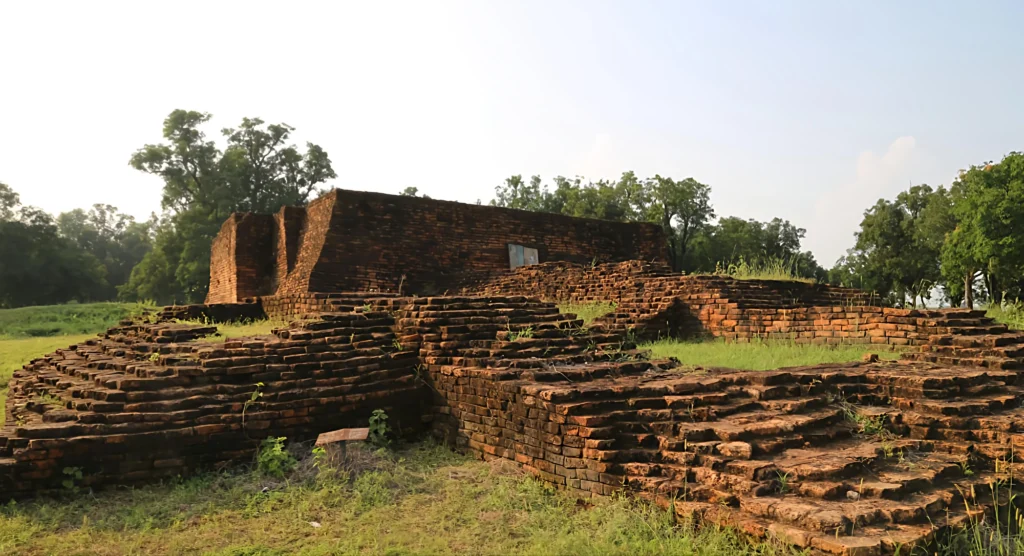
Also called the German Monastery Stupa, Kudan combines European simplicity with Buddhist symbolism. Its white walls and colorful prayer flags create a visually soothing effect.
- Architectural Highlight: Minimalist design with clean lines, a white dome, and prayer wheels.
- Story: Monks chant daily around the stupa, creating a serene, almost musical atmosphere.
- Tickets/Costs: Included in Monastic Zone ticket.
- Tip: Sit quietly near the prayer wheels to feel the peaceful vibrations.
- Approx. Time Needed: 20–30 minutes
Tilaurakot
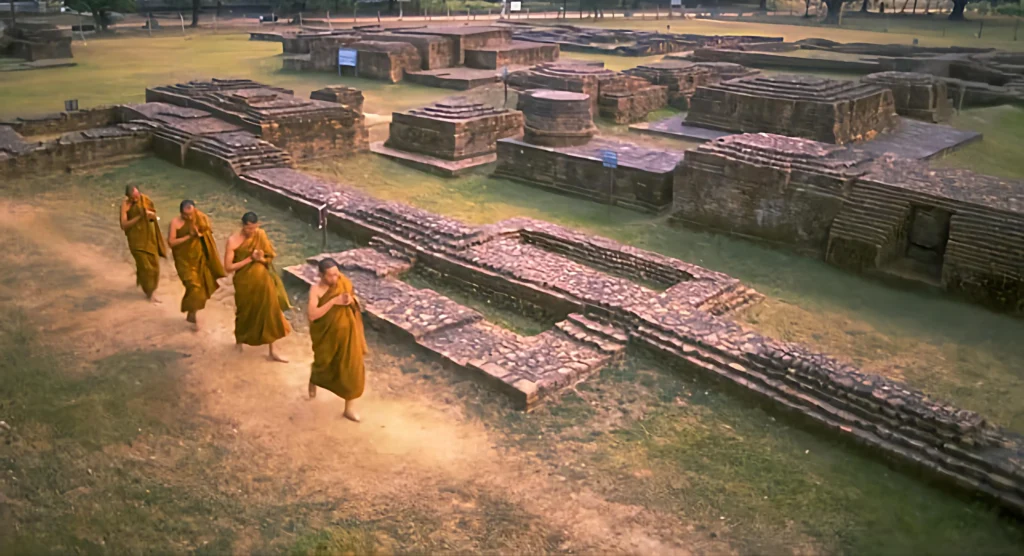
About 25 km from Lumbini, Tilaurakot is believed to be the childhood palace of Siddhartha Gautama. Ancient ruins, walls, and ponds tell stories of early Buddhist history.
- Architectural Highlight: Stone foundations, palace ruins, and boundary walls reflect 6th–5th century BCE craftsmanship.
- Story: Local guides share legends of young Siddhartha playing near the palace gardens—adding a human touch to history.
- Tickets/Costs: NPR 150–200 for foreigners.
- Tip: Hiring a guide helps understand the stories behind each ruin.
- Approx. Time Needed: 2–3 hours including travel
Closing Thoughts
Lumbini is more than a destination—it’s an invitation to walk through history, spirituality, and tranquility. From sacred ponds to monasteries from around the world, these best places to visit in Lumbini, Nepal promise a journey that touches the heart and mind. Each site tells a story, making your visit both visually and spiritually enriching.
Also Nepalaya Travelco can make your Lumbini journey effortless. From organizing guides to planning daily schedules, they ensure you experience the beauty, history, and spirituality of Buddha’s birthplace without worrying about logistics.