
Waking up before sunrise, wrapped in the crisp mountain air, and witnessing the Himalayan peaks glow pink and gold is an experience few treks can offer. The Poon Hill Trek in Nepal is a perfect introduction to the Himalayas, combining moderate trekking with spectacular scenery, vibrant rhododendron forests, and the warmth of local Gurung villages. It’s ideal for first-time trekkers, families, photographers, and anyone who dreams of touching the sky without committing to a long, strenuous expedition. The trek provides stunning panoramic views of Annapurna, Dhaulagiri, and Machhapuchhre, making every step worthwhile.
About The Poon Hill Trek
Located in the Annapurna region, the trek usually starts from Nayapul or Tikhedhunga and ascends to Poon Hill at 3,210 meters before descending to Ghorepani and completing at Nayapul. The total trek distance is around 32–45 km, depending on the route, and can be comfortably completed in 3–5 days. The trail passes through terraced fields, rhododendron forests, charming villages, and viewpoints that feel straight out of a postcard. One of the unique features of this trek is its accessibility; it’s short enough for beginners but offers experiences that veteran trekkers will also appreciate, including sunrise vistas and encounters with traditional Gurung culture.
Why Choose Poon Hill Trek?
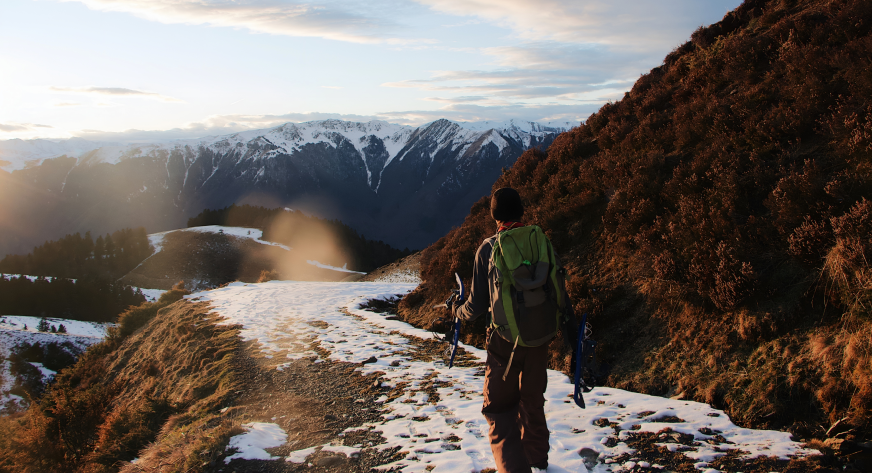
The reasons to choose Poon Hill Trek are many. Its accessibility and moderate difficulty make it beginner-friendly, yet the trek rewards hikers with world-class Himalayan panoramas. Families can enjoy shorter day walks, while photography enthusiasts can capture unforgettable sunrise moments over Annapurna and Dhaulagiri. The trek also offers encounters with the Gurung culture, from traditional homes to local cuisine and customs. For those seeking solitude, early morning walks on empty trails provide a quiet, immersive experience with nature.
Best Time to Visit in 2025
The best time to visit in 2025 is either in autumn (September to November) when skies are clear, the air crisp, and views of snow-capped peaks unobstructed, or spring (March to May), when rhododendrons bloom in shades of pink and red. Winter months (December to February) provide cooler temperatures and fewer crowds, though mornings can be very chilly. Monsoon season is generally avoided due to heavy rains and slippery trails, but some trekkers enjoy the lush greenery if prepared for wet conditions. Planning around local festivals like Tihar in autumn can add a cultural dimension to your trek, offering glimpses into village life and celebrations.
If you are planning for Chitwan National Park then you have to check all the itinerary in one article!
Cost Overview
The trek is very reasonable compared to other Himalayan expeditions. Basic tea house accommodations along the route range from $10–$25 per night, while mid-range lodges with meals and warm amenities cost $30–$60 per night. Trekking permits, including a TIMS card and Annapurna Conservation Area Permit (ACAP), cost around $30–$40. Meals at tea houses average $5–$10 per meal, and hiring local guides or porters can range from $15–$25 per day, depending on experience. Overall, a 3–5 day trek can cost between $150–$350 per person, making it accessible and rewarding.
Preparation and Packing Essentials
Layered clothing is essential, including thermal wear for cold mornings, a fleece or insulated jacket, a waterproof outer layer, and trekking pants. Sturdy trekking shoes with good grip are a must, along with socks suitable for cold weather. Gear should include a comfortable backpack, trekking poles, headlamp, water bottles, and basic first-aid supplies. Seasonal additions like rain gear during spring or monsoon, and gloves and hats in winter, make the trek safer and more enjoyable. Fitness preparation is equally important, with cardio and leg exercises recommended prior to the trek. Altitude sickness is uncommon but staying hydrated and pacing yourself is advised.
Accommodation and Food
Most stays are in tea houses, ranging from basic to mid-range. Rooms typically have twin beds and shared bathrooms, while some lodges provide hot showers for a small fee. Meals usually include dal bhat (lentils with rice), noodles, soups, and vegetables. Vegetarians will find adequate options, while non-vegetarians can enjoy chicken or egg dishes. Staying in Ghorepani or nearby villages provides easy access to sunrise viewpoints and early morning treks, ensuring a smooth and immersive experience.
Safety Tips and Responsible Trekking
Stick to marked trails and consider hiring a certified local guide if unfamiliar with trekking. Carry basic medications, sunscreen, and insect repellent. Mobile connectivity is limited in parts of the trail. Travel insurance covering trekking up to 4,000 meters is advisable. Respect local customs, maintain a safe distance from wildlife, and dispose of waste responsibly to support sustainable trekking practices.
Trek Itinerary (Day-wise)
Day 1: Pokhara to Nayapul and Trek to Tikhedhunga/Ulleri
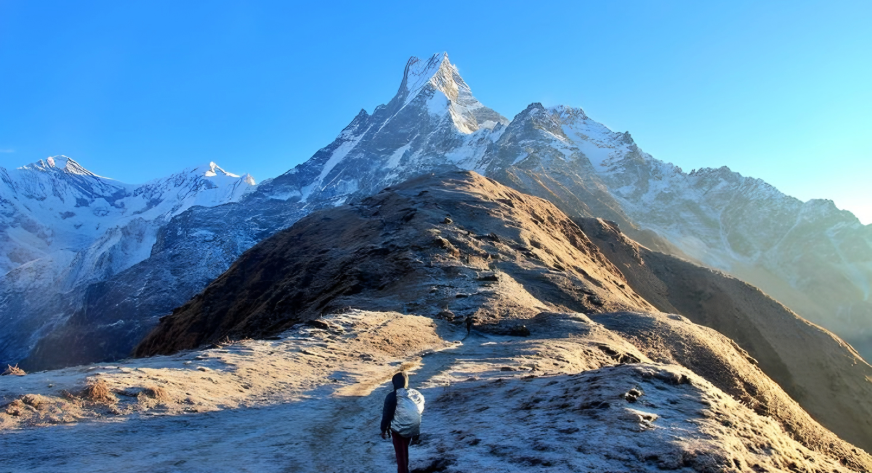
Your journey begins with a scenic one-and-a-half-hour drive from Pokhara to Nayapul, the traditional starting point of the trek. From here, the trail meanders through small villages and terraced rice fields before gradually climbing alongside the flowing Bhurungdi Khola. Passing through Tikhedhunga, trekkers face the famous stone staircases leading up to Ulleri, a charming Gurung village perched on the hillside. Depending on your fitness and time, you can either stop at Tikhedhunga for a lighter first day or continue to Ulleri for a more challenging start, rewarded with cooler air, mountain views, and comfortable tea houses for the night.
Day 2: Ulleri to Ghorepani
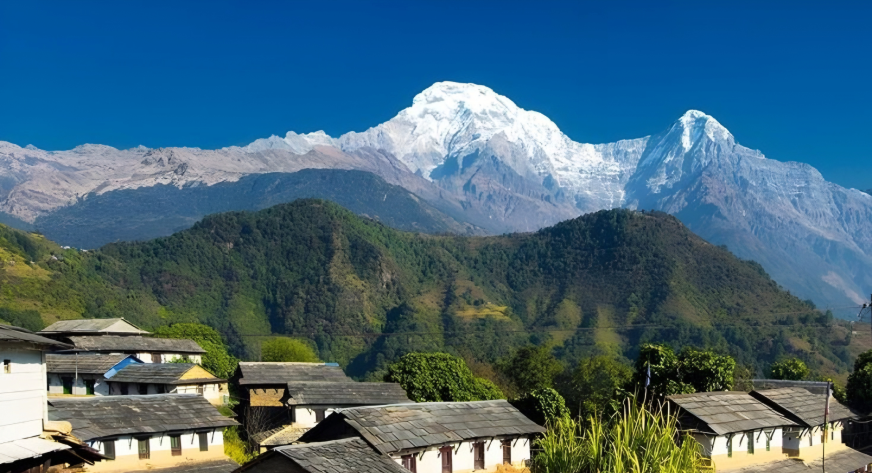
This day’s trek offers a mix of physical challenge and natural beauty. The path continues with a steep but rewarding climb through dense rhododendron and oak forests, home to colorful birds and occasional wildlife sightings. Spring trekkers are treated to blooming rhododendrons that paint the forest in shades of red and pink, while autumn brings crisp air and golden fields. After about 5–6 hours of steady walking, you arrive at Ghorepani, one of the most popular overnight stops. Here, trekkers are greeted with wide smiles from tea house owners, breathtaking mountain backdrops, and the excitement of the next morning’s sunrise adventure.
Day 3: Sunrise at Poon Hill and Trek to Tadapani
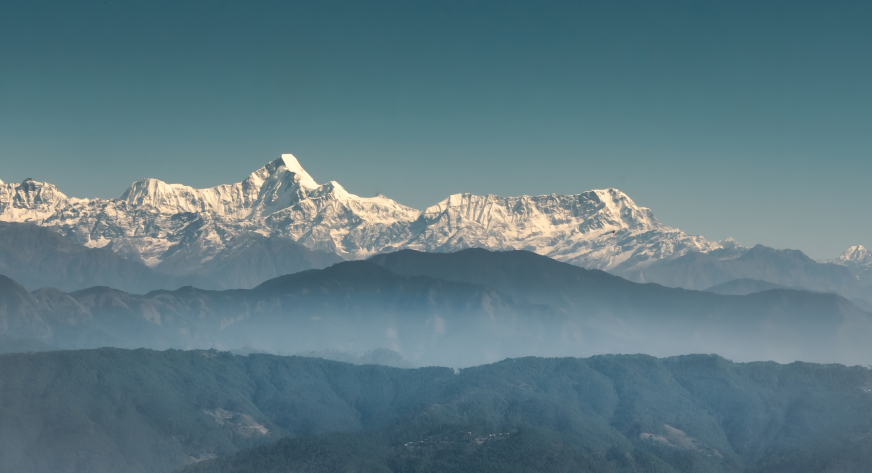
The highlight of the trek begins early in the morning, with a short but steep hike to the famous Poon Hill viewpoint at 3,210 meters. As the first light breaks, the snow-capped peaks of Dhaulagiri, Annapurna, and Machhapuchhre glow in golden hues, offering one of the most iconic Himalayan sunrises. After soaking in the views and capturing countless photographs, trekkers descend to Ghorepani for breakfast before continuing toward Tadapani. The trail winds through forests and ridges, often offering surprise glimpses of the mountains through the trees. The walk is moderate, with sections of both ascent and descent, and by evening you arrive at Tadapani, a peaceful spot surrounded by forests and towering peaks.
Also Read , Best Time to Visit in Nepal in 2025
Day 4: Tadapani to Ghandruk
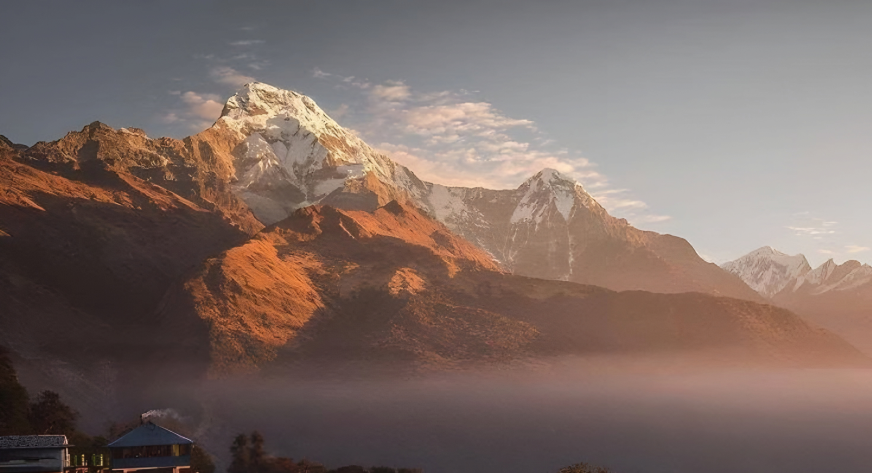
The trek from Tadapani to Ghandruk is shorter but just as rewarding. The trail descends gently through forests alive with birdsong and small waterfalls, gradually opening up to reveal one of the largest Gurung settlements in the Annapurna region. Ghandruk is a cultural hub, known for its traditional stone houses, rich heritage, and warm hospitality. Many trekkers enjoy exploring the village, visiting the Gurung Museum, and learning about the local lifestyle. With Machhapuchhre and Annapurna South visible in the distance, Ghandruk offers an excellent combination of cultural immersion and mountain scenery, making it a favorite stop for families and photographers.
Day 5: Ghandruk to Nayapul and Drive Back to Pokhara
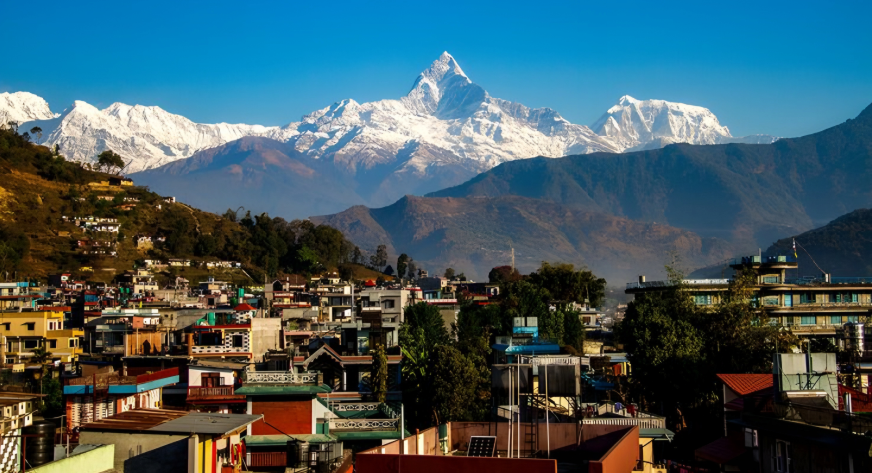
The final leg of the trek is a relaxed descent through terraced fields, small streams, and charming hamlets, gradually leading back to Nayapul. This walk is less demanding and provides the perfect chance to reflect on the trek’s highlights—from the sunrise at Poon Hill to the friendships made in tea houses along the way. Once you reach Nayapul, a private vehicle or local jeep takes you back to Pokhara in just over an hour, where you can finally enjoy a hot shower, a good meal, and the lakeside charm of the city. The sense of accomplishment after completing the trek makes this final day both satisfying and memorable.
In The End
The Poon Hill Trek in Nepal is a journey filled with beauty, adventure, and cultural encounters. The combination of accessible trails, panoramic Himalayan views, rhododendron forests, and friendly village interactions makes it a perfect choice for first-time trekkers, families, and seasoned adventurers alike.
To make your trek hassle-free, Nepalaya Travelco can help organize permits, guides, transportation, and accommodations, allowing you to focus entirely on the magical experience of the Himalayas.