
Pokhara, often called the adventure capital of Nepal, is a city that blends relaxation with thrill. Whether you are someone who enjoys peaceful boat rides, sunrise views over the mountains, or adrenaline-filled adventures, this charming city has something for everyone. With its lakes, caves, viewpoints, and cultural spots, there are countless places to visit in Pokhara that appeal to all kinds of travelers. If you’re planning a trip to Nepal, this city deserves a special spot on your list.
Best Places To Visit in Pokhara
Phewa Lake
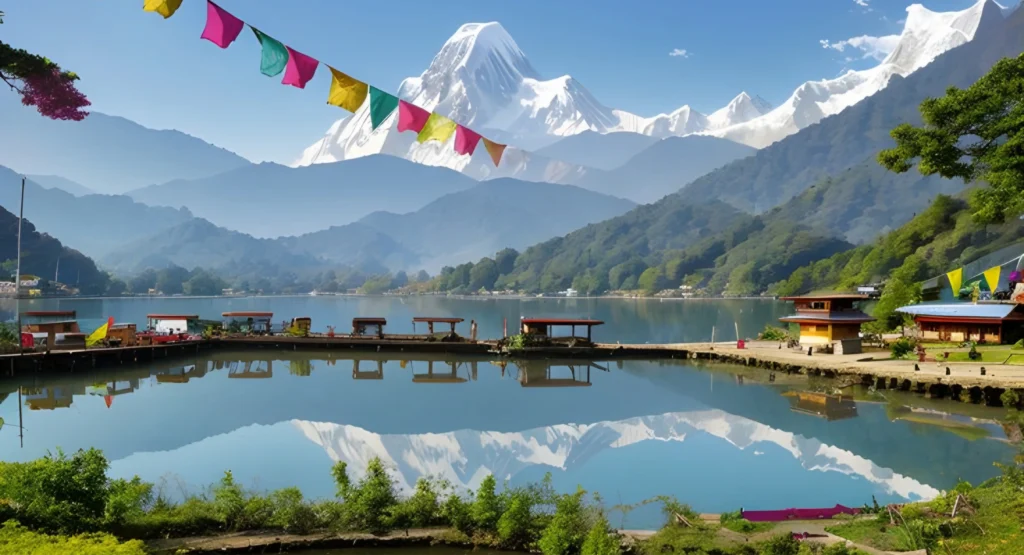
The heart of Pokhara, Phewa Lake, is where most visitors begin their journey. The calm waters reflect the Annapurna range on clear days, making it a picture-perfect spot. You can rent a colorful boat (locally called doonga) and row across the lake or visit Tal Barahi Temple, located on a tiny island in the middle. In the evenings, the lakeside area comes alive with cafés, music, and street food stalls. It’s both a romantic getaway and a family-friendly hangout.
- Tickets/Costs: Boat rides cost around NPR 700–1000 per hour (with boatman). Entry to Tal Barahi Temple is free.
- Tip: Visit early in the morning to enjoy calm waters and clear reflections of the mountains.
- Approx. Time Needed: 2–3 hours.
Also Read, Best Time to Visit in Nepal
Sarangkot Viewpoint

For those who dream of watching the sunrise paint the Himalayan peaks golden, Sarangkot is the place to be. Just a short drive or hike from Pokhara, this hilltop viewpoint offers panoramic views of Annapurna, Dhaulagiri, and Machhapuchhre (Fishtail Mountain). Early mornings are the most rewarding, and the spot is also popular for paragliding. Floating over Pokhara with the lake beneath and mountains in front is an experience that stays with you forever.
- Tickets/Costs: Entry fee is around NPR 50 for Nepalis and NPR 200 for foreigners. Paragliding starts at NPR 10,000.
- Tip: Wear warm clothes if you go for sunrise, as it can be quite chilly even in summer.
- Approx. Time Needed: 2–4 hours (including travel and sunrise viewing).
Davis Falls
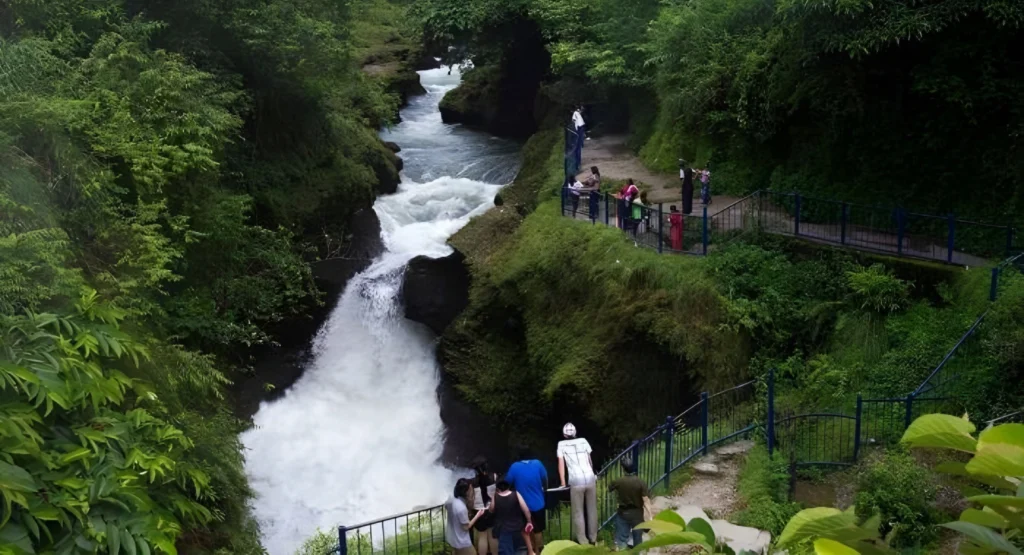
Locally known as “Patale Chhango,” Davis Falls is one of the most visited natural wonders in the city. The water disappears mysteriously into an underground tunnel, creating a dramatic sight. According to local legends, the fall got its English name after a Swiss traveler was swept away by its waters decades ago. The sound of gushing water and the surrounding gardens make this place both fascinating and peaceful for visitors.
- Tickets/Costs: NPR 30 for Nepalis and NPR 100 for foreigners.
- Rule: Do not try to get too close to the edge; safety barriers are there for a reason.
- Tip: Combine your visit with Gupteshwor Mahadev Cave, which is just across the road.
- Approx. Time Needed: 30–45 minutes.
Gupteshwor Mahadev Cave

Right opposite Davis Falls lies the Gupteshwor Mahadev Cave, one of the longest caves in Nepal. It houses a sacred shrine of Lord Shiva, making it an important pilgrimage site. As you go deeper, you’ll find narrow passages leading to a section where the cave opens up to the view of Davis Falls from below. Exploring this cave is an adventure in itself, with its dim lights, damp walls, and echoes creating a sense of mystery.
- Tickets/Costs: NPR 30–50 for Nepalis and NPR 100 for foreigners.
- Rule: Footwear must be removed before entering the shrine section.
- Tip: Carry a flashlight or use your phone torch for darker sections of the cave.
- Approx. Time Needed: 45 minutes–1 hour.
World Peace Pagoda (Shanti Stupa)
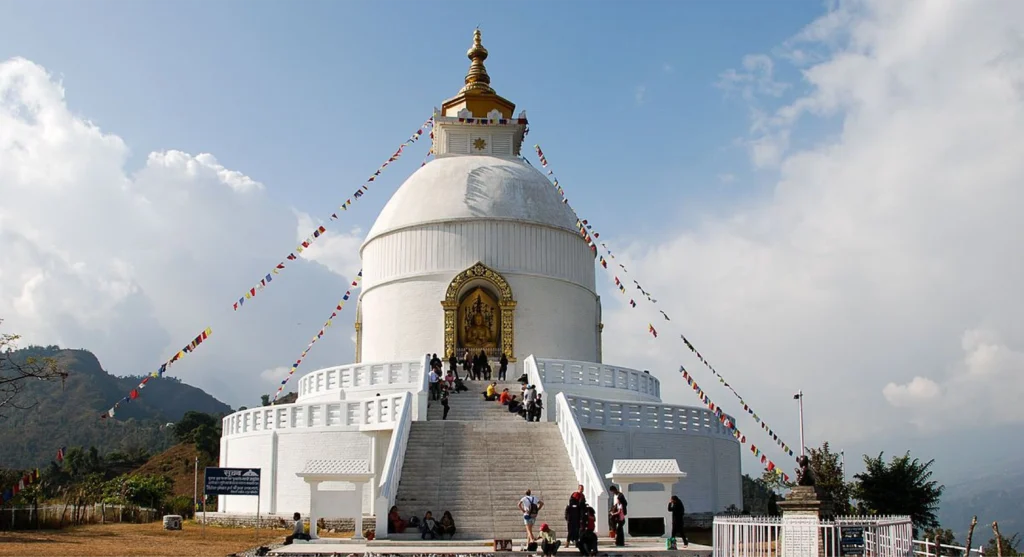
Sitting atop a hill overlooking Pokhara, the World Peace Pagoda is a beautiful white Buddhist stupa that symbolizes harmony. To reach the pagoda, you can hike through forests, cycle, or drive part of the way and then walk up. Once there, you’re rewarded with sweeping views of Phewa Lake, the city, and the snowcapped peaks in the distance. The quiet and spiritual atmosphere makes it a favorite for both locals and travelers who want a break from the busy lakeside area.
- Tickets/Costs: Entry is free.
- Rule: Silence is expected within the pagoda premises; shoes are not allowed on the main platform.
- Tip: Sunset from the stupa is magical—plan your hike accordingly.
- Approx. Time Needed: 1–2 hours.
International Mountain Museum
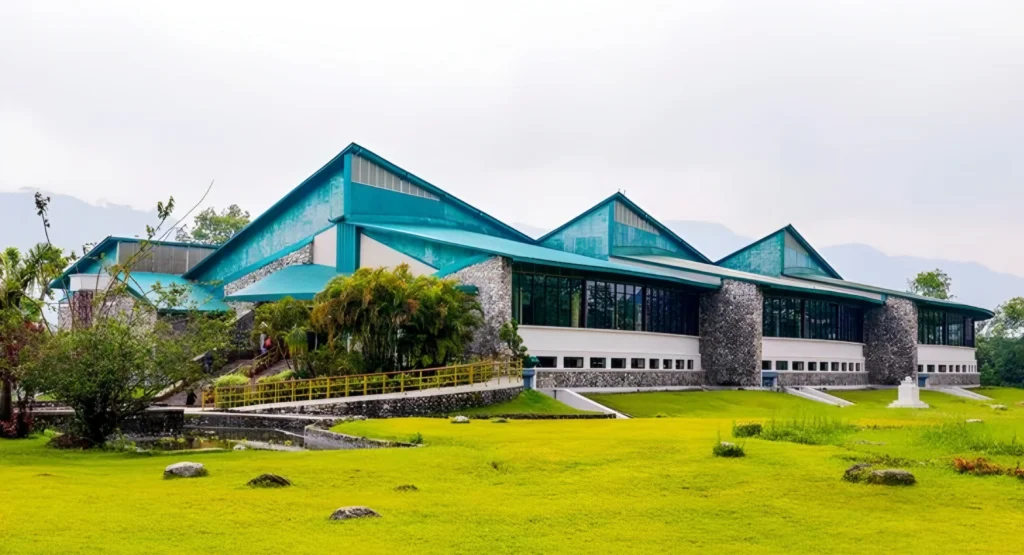
Pokhara is closely tied to the stories of climbers and mountaineers, and the International Mountain Museum is the best place to learn about them. The museum showcases the history of Himalayan expeditions, cultural exhibits of mountain communities, and information about the world’s tallest peaks. It’s a must-visit for anyone curious about Nepal’s mountaineering heritage and the challenges faced by climbers over the years. Families with children also enjoy the interactive displays.
- Tickets/Costs: NPR 150 for Nepalis, NPR 400 for SAARC nationals, NPR 500 for other foreigners.
- Tip: Allocate at least 2 hours to explore; the exhibits are detailed and informative.
- Approx. Time Needed: 2–3 hours.
Bindhyabasini Temple
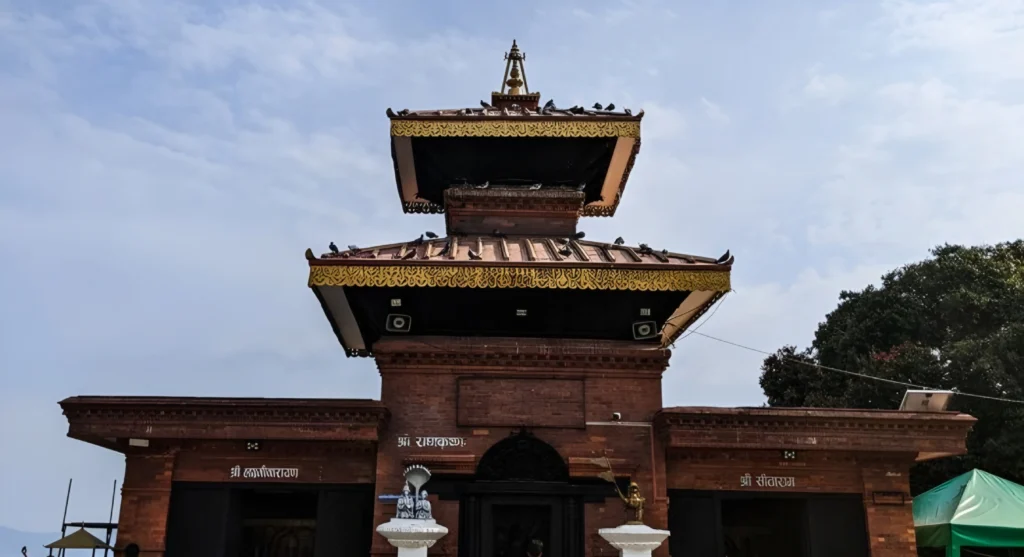
One of the oldest temples in Pokhara, Bindhyabasini Temple is dedicated to Goddess Bhagwati, a form of Durga. Perched on a hilltop, the temple not only holds religious importance but also provides a peaceful escape from the city buzz. Devotees visit daily to offer prayers, and during festivals, the temple becomes especially vibrant. Even if you are not religious, the serene environment and traditional architecture make it worth a stop.
- Tickets/Costs: Free entry.
- Rule: Dress modestly and respect the rituals taking place. Photography inside the shrine is usually not allowed.
- Tip: Visit during morning prayers for a lively yet spiritual experience.
- Approx. Time Needed: 30–45 minutes.
Begnas Lake
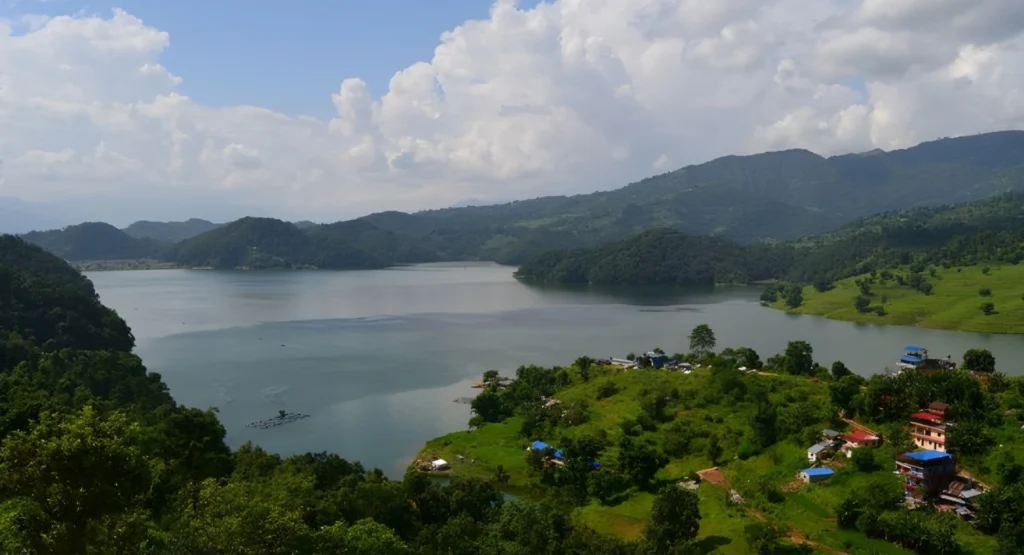
While Phewa Lake gets most of the attention, Begnas Lake is a quieter alternative. Surrounded by hills and villages, it’s perfect for those seeking peace and fewer crowds. You can rent a wooden boat, go fishing, or simply sit by the lakeside tea shops with a hot cup of Nepali tea. The area is also known for homestays, where you can experience authentic Nepali hospitality in a rustic setting.
- Tickets/Costs: No entry fee. Boat rides start from NPR 500 per hour.
- Tip: Pair your visit with a homestay in the nearby villages for a more authentic experience.
- Approx. Time Needed: 2–3 hours
Also Read, Best Places To Visit in Nepal in 2025
Mahendra Cave
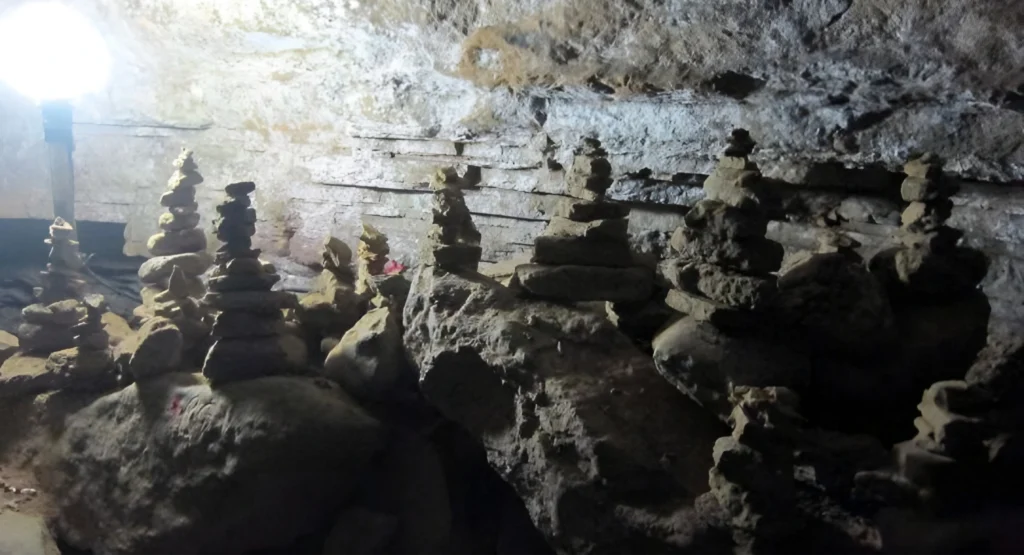
Another fascinating cave in Pokhara, Mahendra Cave is famous for its limestone formations and statues of Hindu deities inside. Named after King Mahendra, this cave attracts visitors who enjoy exploring natural wonders. Flashlights are recommended, as parts of the cave are dimly lit. The cool atmosphere inside provides a refreshing break from Pokhara’s daytime heat, especially for travelers exploring during summer months.
- Tickets/Costs: NPR 20 for Nepalis, NPR 100 for foreigners.
- Tip: Wear shoes with good grip as the cave floor can be slippery.
- Approx. Time Needed: 30–45 minutes.
Bat Cave (Chamero Gufa)
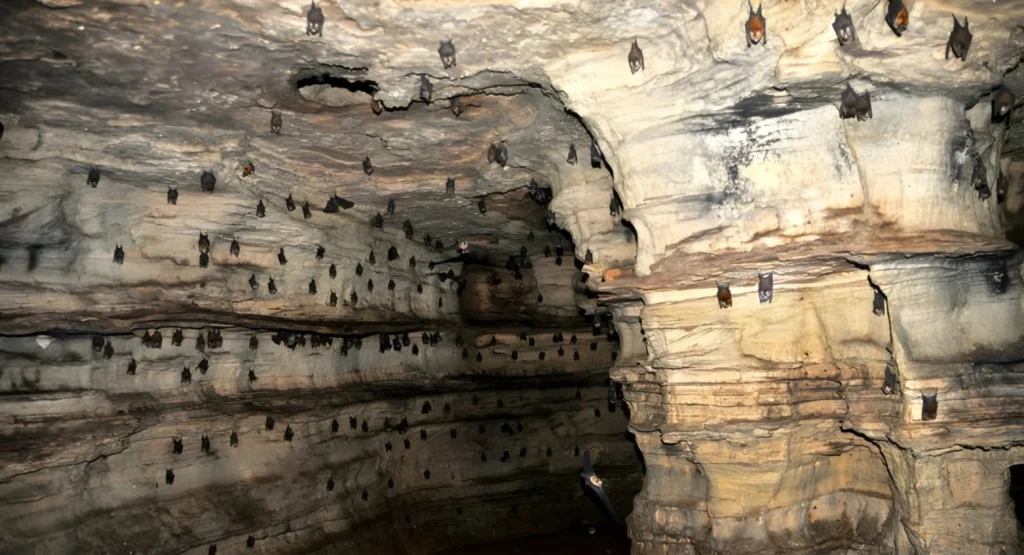
For the adventurous at heart, Bat Cave is a thrilling spot. True to its name, thousands of bats hang from its ceiling, creating an eerie yet fascinating environment. The cave is narrow, and many travelers enjoy the challenge of squeezing out through the small natural exit hole. It’s not for the faint-hearted, but if you enjoy something different, this is one of the most exciting places to visit in Pokhara.
- Tickets/Costs: NPR 20 for Nepalis, NPR 100 for foreigners.
- Rule: Don’t disturb the bats with flash photography or loud noise.
- Tip: This cave is best suited for those who are not claustrophobic!
- Approx. Time Needed: 30–45 minutes.
Final Thoughts
From peaceful lakes to adventurous caves and spiritual temples, Pokhara offers something special for everyone. Whether you’re seeking relaxation, culture, or thrill, these places to visit in Pokhara guarantee a memorable trip. With every corner offering a new story and experience, the city truly deserves its reputation as one of Nepal’s most-loved travel destinations.
If you’re planning your trip and feel overwhelmed by options, Nepalaya Travelco can make it simple for you. They specialize in creating personalized travel experiences in Nepal, whether you want a quiet lakeside retreat, cultural exploration, or adventure-packed activities. Their local knowledge ensures that you enjoy Pokhara at its best without missing out on hidden gems.