
When I first stepped into Kathmandu, it felt like entering a world where time had slowed down just enough for me to truly see it. The air carried the faint smell of incense mixed with spices, the narrow streets hummed with life, and ancient temples stood side by side with bustling tea shops. That’s when I realizedthat the Kathmandu is not just a city to visit, it’s an experience to live.
If you’ve been looking for a Kathmandu Travel Guide, let me take you through my own journey in Nepal’s capital and show you what to see, where to eat, and how to soak in everything this city has to offer.
Why Should Kathmandu Be on Your Travel List?
Kathmandu is more than just a starting point for treks or flights deeper into Nepal, it’s the heart of the country’s culture, history, and spirituality. From UNESCO World Heritage temples to vibrant local markets and cozy cafés, it has something for every traveler. Whether you’re the kind of person who enjoys slow walks through heritage sites or you’re after adventurous day trips, Kathmandu is a city that keeps you curious and inspired.
Places to Visit in Kathmandu
The soul of Kathmandu lies in its temples, squares, and courtyards. Each place tells a story, and walking through them feels like turning the pages of history.
Durbar Square
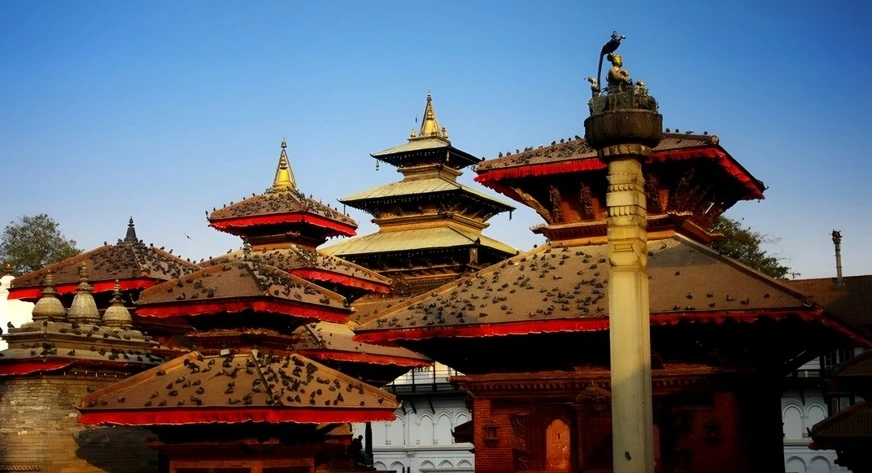
On my second morning in the city, I found myself in Kathmandu Durbar Square. This UNESCO site was once the royal palace and is still surrounded by breathtaking temples. While some structures show scars from the 2015 earthquake, the square remains alive with local artists, worshippers, and curious travelers. Standing in the middle, I felt both small and connected to centuries of tradition.
Walking into Kathmandu Durbar Square felt like entering an open-air museum of living history. The square was once the royal palace of the Malla kings and still hosts festivals and ceremonies today. The carved wooden windows, ancient idols, and red-brick courtyards are unlike anything you see elsewhere. If you’re lucky, you may even catch a glimpse of the Kumari, the living goddess who occasionally appears at the window of her Kumari Ghar residence.
- Ticket: Entry for foreigners is around NPR 1,000 (approx. ₹630).
- Rules: Respect locals during prayer, don’t sit on temple platforms unless allowed, and remember photography is fine outdoors but restricted in sacred areas.
- Travel Tip: Hire a local guide—it makes a world of difference when you hear the legends behind each palace and statue.
Swayambhunath (Monkey Temple)
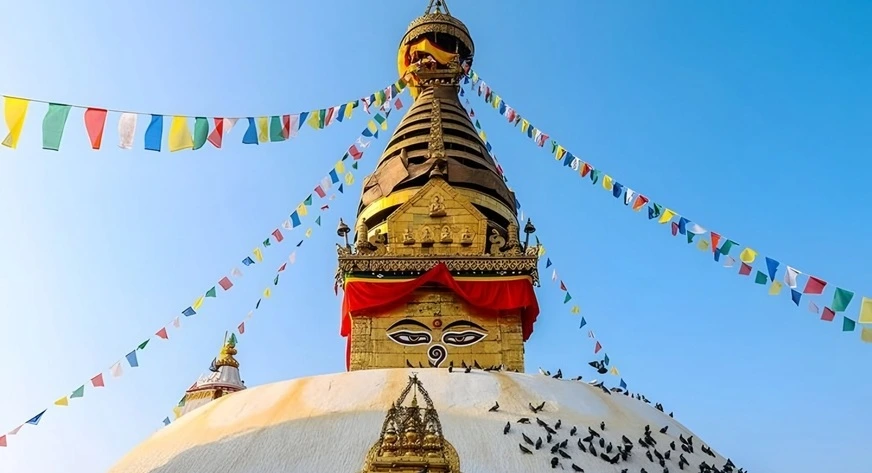
Perched on a hilltop, Swayambhunath is one of Nepal’s oldest religious sites, believed to date back more than 1,500 years. Climbing the 365 steps, I passed prayer wheels, fluttering flags, and playful monkeys that give the temple its nickname. When I reached the top, the view was breathtaking, Kathmandu Valley spread out like a living carpet below. The stupa itself, with Buddha’s eyes painted on all four sides, radiates calm and presence.
- Ticket: Around NPR 200 (approx. ₹125).
- Rules: Walk clockwise around the stupa, don’t disturb the monkeys, and keep shoulders/knees covered out of respect.
- Travel Tip: Sunrise or sunset visits are magical—the golden light makes the stupa glow.
Pashupatinath Temple
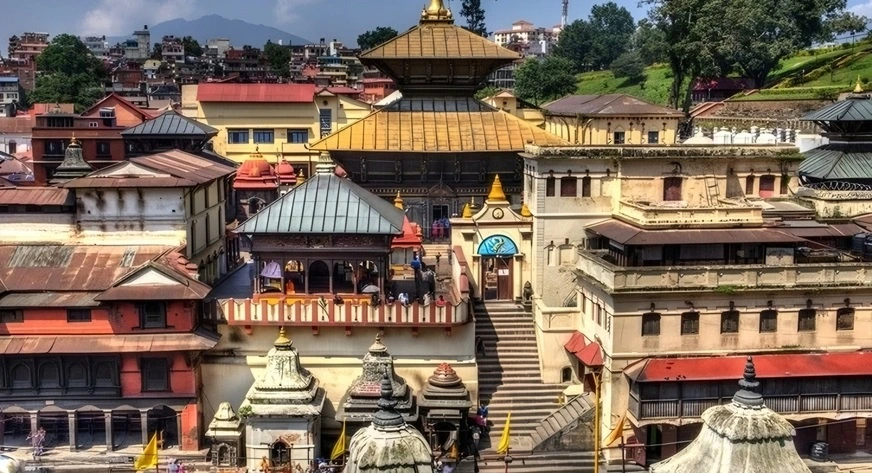
A visit to Pashupatinath Temple is both moving and humbling. Dedicated to Lord Shiva, it is one of the holiest Hindu temples in the world. While the main sanctum is open only to Hindus, the larger temple grounds are open to all, offering a deep look into spiritual Nepal. Along the Bagmati River, I watched cremation rituals—a powerful reminder of life’s impermanence. Despite the intensity, the site is peaceful, with chanting priests and pilgrims offering prayers.
- Ticket: Around NPR 1,000 for foreigners (approx. ₹630). Free for Indians.
- Rules: Photography inside the main temple is prohibited; modest clothing is essential. Silence is expected near cremation areas.
- Travel Tip: Visit early morning or during Maha Shivaratri festival for an unforgettable spiritual experience.
Boudhanath Stupa
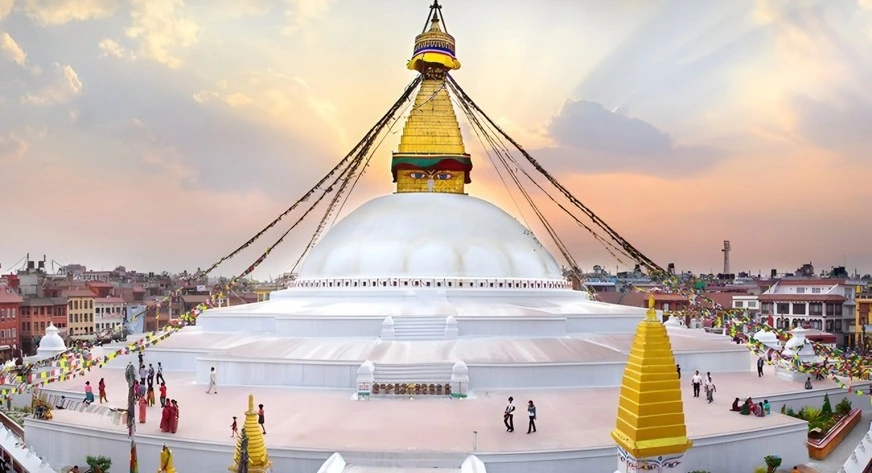
The first time I saw Boudhanath Stupa, I stopped in my tracks. This enormous white dome with a golden spire is one of the largest stupas in Asia and an important Tibetan Buddhist site. Pilgrims from all over the world circle the stupa, spinning prayer wheels while chanting mantras. The atmosphere at dusk is especially moving—lamps light up, chants fill the air, and you can sip butter tea at a rooftop café while watching it all.
- Ticket: Around NPR 400 (approx. ₹250). Free for Nepalis.
- Rules: Always walk clockwise, avoid climbing on the stupa, and dress respectfully.
- Travel Tip: Combine your visit with a meal at one of the nearby Tibetan restaurants for an authentic experience.
Thamel
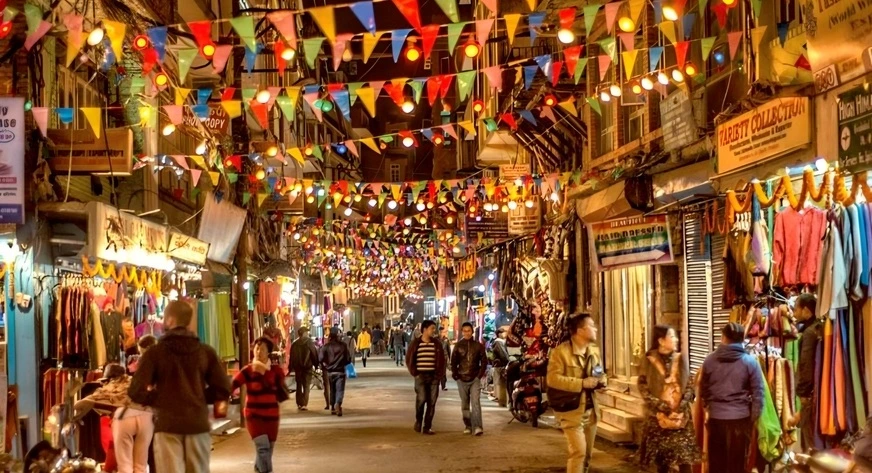
Thamel is Kathmandu’s beating heart—a maze of shops, cafés, and music-filled alleys. Here, you’ll find trekking gear shops (some original, many great knock-offs), cozy bookstores, souvenir stalls, and rooftop bars. I spent hours wandering its narrow streets, trying steaming momos at roadside stalls, and bargaining for handmade pashmina shawls. At night, Thamel comes alive with live music venues and friendly travelers swapping stories.
- Ticket: Free entry.
- Rules: Bargain politely in shops, keep an eye on your belongings in crowded areas, and respect shopkeepers even if you don’t buy.
- Travel Tip: Don’t skip the local bakeries—many serve Tibetan bread and yak cheese pastries that are delicious.
Places to Eat and Drink in Kathmandu
Traveling is incomplete without tasting the local flavors, and Kathmandu surprised me with its variety. Whether it’s traditional Nepali meals or international cuisines, the city keeps your taste buds entertained.
Try a Traditional Nepali Thali
One evening, I sat down for a Dal Bhat Thali—a plate of rice, lentils, vegetables, pickles, and sometimes meat. Locals often say, “Dal Bhat power, 24 hour,” and they’re right. It’s filling, comforting, and delicious. Thakali restaurants across the city serve some of the best versions.
Momos Everywhere
If there’s one snack you shouldn’t miss, it’s momos. These Nepali dumplings, either steamed or fried, are served with spicy chutney and can be found on almost every street corner. I still remember the first bite—it was warm, soft, and bursting with flavor.
Rooftop Cafés and Coffee Shops
Kathmandu also has a café culture that’s perfect for slow mornings or lazy afternoons. I found myself sipping coffee at a rooftop café in Thamel, overlooking the busy streets below. For tea lovers, masala chai stalls are everywhere—served hot, sweet, and spiced just right.
A Taste of the World
Surprisingly, Kathmandu also offers international dining. From Italian pizzas in Thamel to Tibetan butter tea near Boudhanath, the variety ensures you never run out of options. It’s the kind of city where you can enjoy a burger for lunch and a traditional Nepali meal for dinner.
If you are looking to visit Nepal and dont know the Best Places to visit Nepal Checkout this!
Places to Stay in Kathmandu
Where you stay in Kathmandu shapes your entire experience. The city has everything from budget-friendly hostels to boutique hotels and luxury escapes.
Budget Stays
If you’re traveling on a shoestring, hostels and guesthouses in Thamel are perfect. Expect clean dorm beds, basic amenities, and a chance to meet fellow travelers over shared meals. Popular hostels like Zostel or Fireflies are buzzing with energy.
- Price Range: NPR 800–1,500 per night (₹500–₹950) for dorm beds; private budget rooms cost slightly more.
Mid-Range Hotels
For families or couples, mid-range hotels strike the right balance. These hotels often include breakfast, Wi-Fi, and comfortable rooms with traditional décor. Staying here means you get a taste of Nepali hospitality without stretching your wallet.
- Price Range: NPR 3,000–6,000 per night (₹1,900–₹3,800) for a double room.
Luxury Experiences
Kathmandu also has boutique and heritage hotels that turn a stay into an experience. Imagine waking up to temple bells in a restored palace or sipping tea in a lush garden. Hotels like Dwarika’s are known for their traditional architecture and world-class service.
- Price Range: NPR 12,000–25,000 per night (₹7,600–₹15,800) depending on the property and season.
Travel Tip: Prices in Kathmandu vary depending on the season—expect higher rates in peak months like October–November and March–April. Booking in advance usually gets you better deals.
Day Trips from Kathmandu
Kathmandu is not just about the city—you can use it as a base for some exciting day trips.
- Bhaktapur – A medieval city just an hour away, known for its well-preserved temples, pottery, and Newari culture.
- Patan – Famous for its Durbar Square, fine arts, and local crafts.
- Nagarkot – If you want Himalayan sunrise views without a trek, this hill station is ideal. Watching the sun paint the mountains golden was one of my favorite memories.
Few Tips for Your Kathmandu Trip
- Always carry cash, as small shops may not accept cards.
- Dress modestly when visiting temples.
- Try walking whenever you can—the small alleys often hide the best surprises.
- Bargain politely in markets, it’s part of the fun.
My Kathmandu Travel Guide in a Nutshell
Kathmandu is a mix of culture, food, spirituality, and adventure. From wandering in Durbar Square to tasting momos, from finding peace at Boudhanath to bargaining in Thamel—the city offers countless memories. If you’re looking for a Kathmandu Travel Guide, remember that the best way to experience it is to balance the planned with the unexpected.
A Helping Hand for Your Journey
Exploring Kathmandu can sometimes feel overwhelming with so many choices of temples, markets, and hidden gems. This is where Nepalaya Travelco makes things easier. They help travelers design experiences—whether it’s temple visits, cultural tours, or day trips—so you spend less time planning and more time enjoying the city. With them, Kathmandu feels less like a destination and more like home.